Why hyper-real ‘reborn’ dolls are booming worldwide
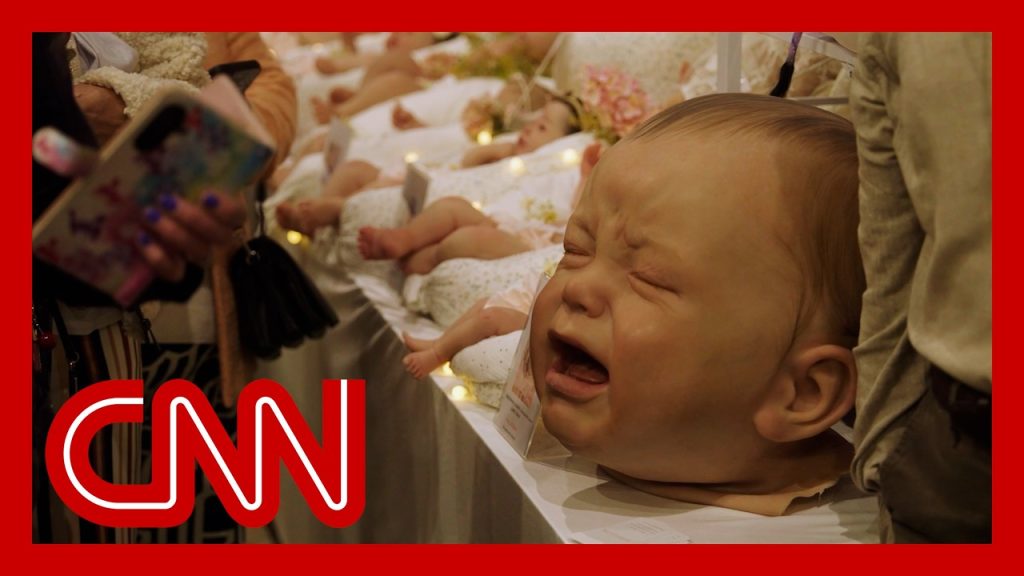

Hyper-real “reborn” dolls look and feel uncannily like newborns, but they never cry or breathe. The term “reborn” first came into play in the 90s when doll aficionados in the US started adding more realistic features to factory-made dolls. They’ve since evolved into a global phenomenon, embraced both by art collectors and so-called reborn mothers seeking comfort after miscarriage, child loss or infertility – often amid fascination and backlash.
The trend is booming: the reborn community has amassed hundreds of millions TikTok views, a reported $300m retail market, and doll prices reaching $10,000, with Brazil even considering legislation around doll misuse.
CNN’s Christina Macfarlane explores this surreal world – from artists “conceiving” dolls strand by strand, to collectors challenging ideas of motherhood and artwork ownership, to filming at one of the world’s largest doll shows to unpack why this industry is thriving.
0:00 Inside one of the largest hyper-realistic doll shows in the world
2:45 ‘Please don’t judge’: How the hobby can alleviate grief, pain, and more
Watch more CNN here: https://cnn.it/4kh5RPe
#Hobby #HyperrealisticDolls #News